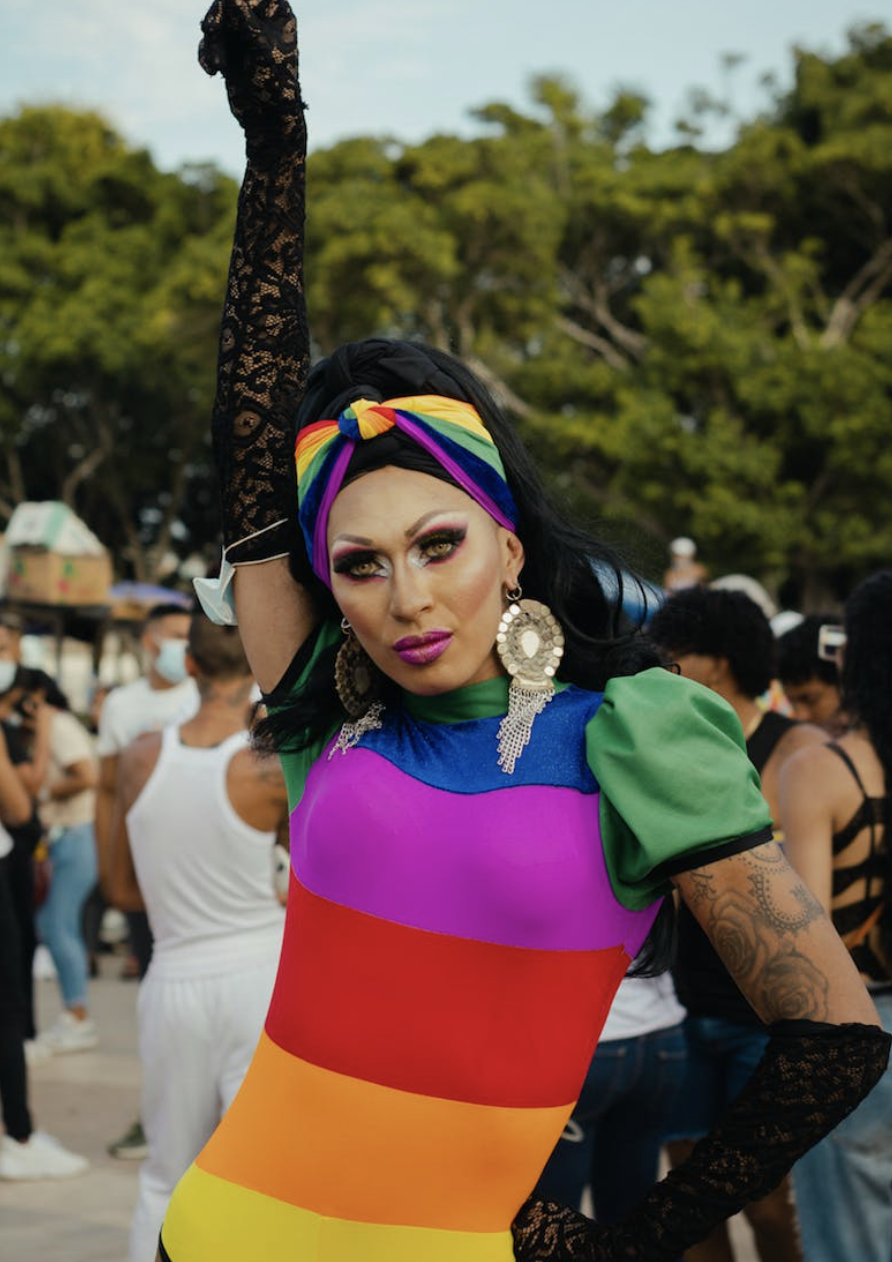

What Makes Trans Women Unique and How to Connect with Them
Welcome to Trans Women, a space dedicated to celebrating, understanding, and connecting with transgender women. In recent years, there has been an increased awareness of transgender identities, and this includes a focus on trans women—those whose gender identity is female, but who were assigned male at birth. This page is a resource for learning more about trans women, the challenges they may face, and how to build meaningful, respectful relationships and connections with them.
Trans women are an important part of the broader transgender community, and their experiences, identities, and journeys deserve to be recognized and respected. Whether you're a trans woman or someone interested in understanding more about trans women and forming connections with them, this page provides insights into what it means to be a trans woman and how to engage with them in a way that is affirming and respectful.
What is a Trans Woman?
A trans woman is someone who was assigned male at birth but identifies as female. Trans women may or may not undergo gender-affirming treatments such as hormone therapy or surgeries to align their bodies with their gender identity. It’s important to recognize that gender identity is deeply personal, and a trans woman’s experience of her gender may be different from another’s. Every trans woman has a unique journey of self-discovery and self-expression, and their experiences are valid and deserving of respect.
Understanding the Trans Women Experience
The experience of a trans woman can be complex and multifaceted, shaped by her personal identity, cultural context, and societal attitudes towards gender diversity. Below are some aspects of the trans women experience that are important to understand:
1. Gender Identity and Transition:
A trans woman’s journey often includes the process of transition, which is different for each individual. Transitioning can involve several steps, such as changing names and pronouns, accessing gender-affirming healthcare, and adapting to societal perceptions of gender. The process of transitioning is deeply personal, and not all trans women choose to undergo medical treatments or surgeries. The most important thing is that their identity as women is recognized and affirmed by others.
2. Challenges Faced by Trans Women:
Trans women often face unique challenges that can impact their mental, emotional, and physical well-being. These challenges may include societal discrimination, bias, and prejudice based on their gender identity. In addition to facing stigma and marginalization in many areas of life—such as employment, healthcare, and social interactions—trans women are at a higher risk for violence, including gender-based violence. Many trans women also face difficulties in finding safe, supportive spaces for dating, relationships, and community building.
3. Importance of Respect and Affirmation:
One of the most important aspects of supporting trans women is respecting and affirming their gender identity. This includes using the correct name and pronouns, as well as treating them with dignity and respect. When trans women’s identities are validated by others, it helps to reduce feelings of isolation and builds confidence and self-worth.
The Beauty and Strength of Trans Women
Trans women have a profound resilience and beauty, built from overcoming adversity, navigating challenges, and embracing their true selves. Here are a few reasons why trans women are powerful and inspirational:
1. Courage and Authenticity:
The courage it takes to embrace one’s true gender identity in a society that may not always be supportive is immense. Trans women are often faced with the decision to live authentically, even when it may involve hardships or risks. This bravery in living openly and authentically is a source of empowerment and should be recognized and celebrated.
2. Diversity in Identity and Expression:
Trans women come from all walks of life and have diverse experiences, backgrounds, and personal stories. They express their femininity in ways that are as varied as cisgender women. This diversity in identity and expression challenges societal norms and broadens our understanding of what it means to be a woman.
3. Contributions to Society:
Trans women make incredible contributions to society in fields such as art, activism, business, education, and healthcare. Many trans women use their experiences to raise awareness about gender identity and fight for greater acceptance and equality for the transgender community. They are role models and trailblazers who are changing the world, one step at a time.
Building Respectful Relationships with Trans Women
If you are interested in forming a meaningful relationship with a trans woman, it is important to approach the relationship with respect, understanding, and openness. Here are some key guidelines for building healthy and positive relationships with trans women:
1. Recognize and Affirm Their Identity:
Always affirm the gender identity of the trans woman you are connecting with. This includes using her preferred name and pronouns, as well as treating her as the woman she is. Acknowledging and validating her identity helps to foster trust and emotional connection. Always be sensitive to the fact that trans women may have faced invalidation or rejection in the past, and they may be more vulnerable to emotional hurt. Offering affirmation is an important way to show respect and care.
2. Approach With Open Communication:
Clear, honest, and open communication is essential in any relationship. Take time to learn about your partner’s experiences and listen to her needs and desires. Ask questions in a respectful manner and be prepared to have conversations about topics like her journey, her boundaries, and any challenges she may have faced. Open communication can help prevent misunderstandings and build a deeper connection based on mutual respect.
3. Be Mindful of Past Trauma:
Many trans women have experienced trauma, discrimination, or violence throughout their lives because of their gender identity. Being mindful of this can help you approach the relationship with greater sensitivity and empathy. If you are in a romantic or intimate relationship, always check in with her emotionally and give her the space to discuss any fears or concerns she may have.
4. Respect Boundaries and Consent:
As with all relationships, it is essential to respect your partner’s boundaries and obtain her consent before engaging in any romantic or sexual activity. Make sure you communicate openly about your intentions and listen carefully to what your partner is comfortable with. Every individual, regardless of gender identity, has the right to establish and maintain boundaries in their relationships.
How to Connect with Trans Women
Whether you are seeking a romantic relationship, friendship, or simply want to learn more about trans women, here are some tips for making authentic, respectful connections:
1. Join Inclusive Communities:
One of the best ways to connect with trans women is by joining inclusive communities that prioritize respect, understanding, and acceptance. Look for LGBTQ+ groups, both online and in-person, where trans women can meet others in a safe and welcoming environment. Attend events and activities that celebrate gender diversity, such as Pride events or educational workshops on gender identity.
2. Use Online Platforms with Respect:
There are many dating apps and platforms specifically designed for LGBTQ+ individuals, where you can meet trans women. When using these platforms, always be respectful, genuine, and honest about your intentions. Make sure to approach each interaction with care and respect for the other person’s identity. Avoid making assumptions about their gender identity, desires, or experiences.
3. Learn More About Trans Women’s Lives:
The more you learn about trans women’s experiences, the better equipped you will be to engage with them in an informed and respectful way. Read books, watch documentaries, and listen to trans women’s stories. Learning about their struggles and victories will help you better understand their needs and desires.
4. Respect Their Autonomy:
Trans women, like all individuals, have the right to make decisions about their own lives, bodies, and relationships. It’s important to respect their autonomy and not pressure them to share more than they are comfortable with. Allow them to disclose personal information on their own terms and never make assumptions based on stereotypes or misconceptions.
Conclusion
Trans women are powerful, resilient, and diverse individuals who deserve love, respect, and recognition. Understanding their unique experiences, challenges, and identities is the first step in building meaningful relationships and connections. Whether you are a trans woman yourself or someone seeking to connect with one, treating trans women with care, empathy, and respect will help foster positive and enriching experiences.
Join us in celebrating the strength and beauty of trans women, and help create a world where gender diversity is embraced and honored.